

Written and Reviewed by
Dr. Iswarya
BNYS (Bachelor of Naturopathy & Yogic Sciences), MD (Doctor in Medicine). Founder & Chief Naturopathy Consultant at Dr. Iswarya’s Nature Cure Centre, Chennai.
Medical registration ID – 0308/A
View credentials →Heart attacks are no longer a concern reserved for older adults. Cardiologists across India have reported a noticeable rise in cases among people in their 20s and 30s over the past decade, and understanding the reason for heart attack in young age has become an urgent public health conversation. If you’ve searched for this topic, you’re likely trying to understand whether your own habits — or a family history — put you at risk.
The reassuring part is this: most risk factors behind a heart attack in young age are modifiable. With early awareness, regular screening, and a few sustainable lifestyle changes, the majority of early-onset heart attacks can be prevented. This guide breaks down the causes of heart attack, the most common heart attack at young age symptoms, and how to prevent heart attack at young age before it becomes a crisis.
What Happens During a Heart Attack
A heart attack occurs when blood flow to part of the heart muscle is suddenly blocked, usually because of a buildup of fatty plaque inside the coronary arteries — a process called atherosclerosis. Without oxygen-rich blood, heart tissue begins to weaken and die within minutes, which is why fast medical attention matters so much.
For decades, this was considered a disease of aging. That’s changing. A combination of high stress, poor dietary habits, sedentary work culture, and rising rates of diabetes and hypertension among younger adults is now a well-documented reason for heart attack in young age, and the average age of first heart attacks has been steadily declining.
7 Key Causes of Heart Attack in Young Age
Understanding the causes of heart attack is the first step toward prevention. Here are the seven factors most commonly linked to cardiac events in young adults.
1. Chronic Stress and Long Work Hours
Sustained mental and emotional pressure — from demanding jobs, financial strain, or personal circumstances — keeps the body in a prolonged “fight or flight” state. This raises blood pressure, increases inflammation, and is consistently cited as a leading reason for heart attack in young age among working professionals.
2. Poor Diet and Processed Food Intake
Diets heavy in trans fats, refined sugar, and excess salt drive up LDL (“bad”) cholesterol and encourage plaque buildup in the arteries. Fast food, packaged snacks, and sugary beverages have become dietary staples for many young professionals, making poor nutrition one of the most preventable causes of heart attack today.
3. Smoking and Vaping
Nicotine and the chemical compounds in cigarettes and e-cigarettes damage the inner lining of blood vessels, reduce oxygen delivery in the blood, and speed up arterial plaque formation. Even occasional or social smoking carries measurable cardiovascular risk and remains one of the most preventable causes of heart attack in this age group.
4. Sedentary Lifestyle
Long hours at a desk, minimal physical movement, and screen-heavy routines slow circulation, encourage weight gain, and weaken the heart muscle over time. Physical inactivity is now considered one of the fastest-growing causes of heart attack among urban young adults.
5. Undiagnosed High Blood Pressure and Diabetes
Both conditions damage artery walls silently, often with no obvious symptoms in the early stages. Many young adults are unaware they have elevated blood pressure or blood sugar until a cardiac event forces a diagnosis — which is why routine screening matters even in your 20s and 30s.
6. Family History and Genetic Predisposition
A family history of early heart disease significantly raises your personal risk, regardless of your current lifestyle. Genetics can’t be changed, but knowing your family history allows you and your doctor to monitor your heart health more closely and catch warning signs sooner.
7. Substance Use and Alcohol Abuse
Recreational drug use and heavy or binge alcohol consumption can trigger sudden abnormal heart rhythms or acute arterial spasms, occasionally leading to a heart attack even in people with otherwise healthy hearts.
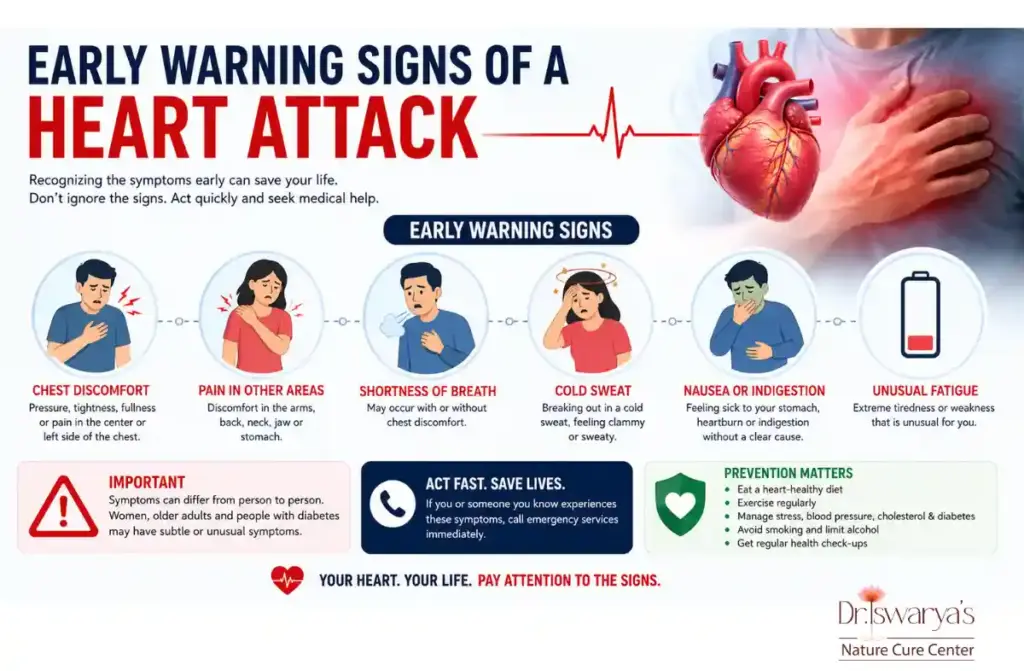
Heart Attack at Young Age Symptoms
Recognizing heart attack at young age symptoms early — and not dismissing them as “just stress” or “just fatigue” — can be lifesaving. Common warning signs include:
- Chest pain, tightness, or a sensation of pressure
- Shortness of breath, even at rest
- Pain radiating to the arms, neck, jaw, or back
- Unexplained fatigue or dizziness
- Cold sweats, nausea, or lightheadedness
Younger adults often experience milder or more atypical symptoms than older patients, which is one reason a heart attack in young age can go unnoticed until it becomes severe. If you or someone near you experiences these symptoms, seek emergency medical care immediately. Every minute matters in limiting heart damage.
How to Prevent Heart Attack at Young Age
Prevention doesn’t require a complete life overhaul overnight — it’s built through consistent, sustainable habits. Here’s how to prevent heart attack at young age in practical terms.
Eat for Your Heart
Prioritize fruits, vegetables, whole grains, nuts, and lean protein. Reduce fried foods, refined sugar, and excess sodium. Small dietary shifts, sustained over months, have a measurable impact on cholesterol and blood pressure.
Move Daily
Aim for at least 30 minutes of moderate physical activity most days of the week — brisk walking, cycling, swimming, or yoga all count. Consistency matters more than intensity.
Manage Stress Actively
Techniques such as meditation, deep-breathing exercises, and yoga, meditation have been shown to lower cortisol levels and reduce the cardiovascular strain that is often the underlying reason for heart attack in young age. For persistent or overwhelming stress, structured stress and lifestyle disease management programs can help you build sustainable coping strategies.
Quit Smoking and Limit Alcohol
Cutting out tobacco and reducing alcohol intake produces measurable cardiovascular benefits within just a few months.
Get Screened Regularly
Routine checks of blood pressure, cholesterol, and blood sugar — even in your 20s — can catch silent risk factors before they become emergencies. Explore preventive healthcare and wellness screening options to build a monitoring routine that fits your life stage.
Everyday Habits That Support a Healthy Heart
- Stay hydrated and eat balanced, whole-food meals.
- Maintain a healthy body weight.
- Get 7–8 hours of quality sleep each night.
- Track blood pressure, cholesterol, and blood sugar periodically.
- Build a support system — social connection is linked to better cardiovascular outcomes.
These habits may look simple, but sustained over time, they meaningfully reduce the reason for heart attack in young age and support long-term cardiovascular health.

When to See a Doctor
Don’t wait for a medical emergency to start monitoring your heart. You should consult a doctor promptly if you experience:
- Chest discomfort that occurs during exertion and eases with rest (a possible sign of angina)
- Persistent breathlessness during routine activities like climbing stairs
- A family history of heart disease and you haven’t had a baseline cardiac screening
- Elevated blood pressure or blood sugar readings on home monitoring devices
- Ongoing high stress, poor sleep, or fatigue that hasn’t improved despite lifestyle changes
A simple ECG, lipid profile, and blood pressure check can often catch problems long before symptoms become serious.
Conclusion
Heart attacks in young adults are rising — but understanding the reason for heart attack in young age puts prevention within reach. Recognizing early symptoms, knowing the underlying causes of heart attack, and following practical steps on how to prevent heart attack at young age can meaningfully lower your risk. If you’re managing chronic stress or lifestyle-related health concerns, explore naturopathy treatment in Chennai or customized health packages designed to support long-term cardiovascular wellness.
Related Reading: Natural Remedies for Fatty Liver | How to Reverse Diabetes