
Sleep is one of the most important pillars of good health, yet it is often the first thing to suffer when stress and anxiety take over. Many people find themselves lying awake at night with racing thoughts, worrying about work, family responsibilities, finances, or future uncertainties. When the mind remains active long after bedtime, falling asleep can feel almost impossible.
If you have ever searched for how to sleep when stressed and anxious, you are not alone. Stress-related sleep disturbances affect millions of people worldwide and can have a significant impact on physical health, emotional well-being, and daily productivity. While occasional sleepless nights are common, persistent sleep problems can create a cycle where lack of sleep increases stress, and stress further disrupts sleep.
At Dr. Iswaryas Nature Cure Center, a holistic approach is used to address the root causes of sleep difficulties. Rather than simply masking symptoms, naturopathy focuses on supporting the body’s natural ability to restore balance and promote healthy sleep patterns.
Understanding the Connection Between Stress, Anxiety, and Sleep
Stress is the body’s natural response to challenging situations. When faced with pressure or perceived threats, the nervous system releases hormones such as cortisol and adrenaline. These hormones increase alertness and prepare the body to react quickly.
While this response can be beneficial during emergencies, prolonged stress keeps the body in a heightened state of alertness. As a result, relaxing and preparing for sleep becomes more difficult.
Anxiety can make the situation even more challenging. Individuals experiencing anxiety often struggle with excessive worrying, negative thought patterns, and emotional tension. These factors can interfere with the body’s ability to transition into a restful state.
Understanding how to sleep when stressed and anxious begins with recognizing that both emotional and physical factors contribute to sleep difficulties.
Why Stress and Anxiety Make It Hard to Sleep
When stress levels rise, the brain remains active even when the body is tired. Instead of winding down, the mind may repeatedly focus on concerns and unresolved issues.
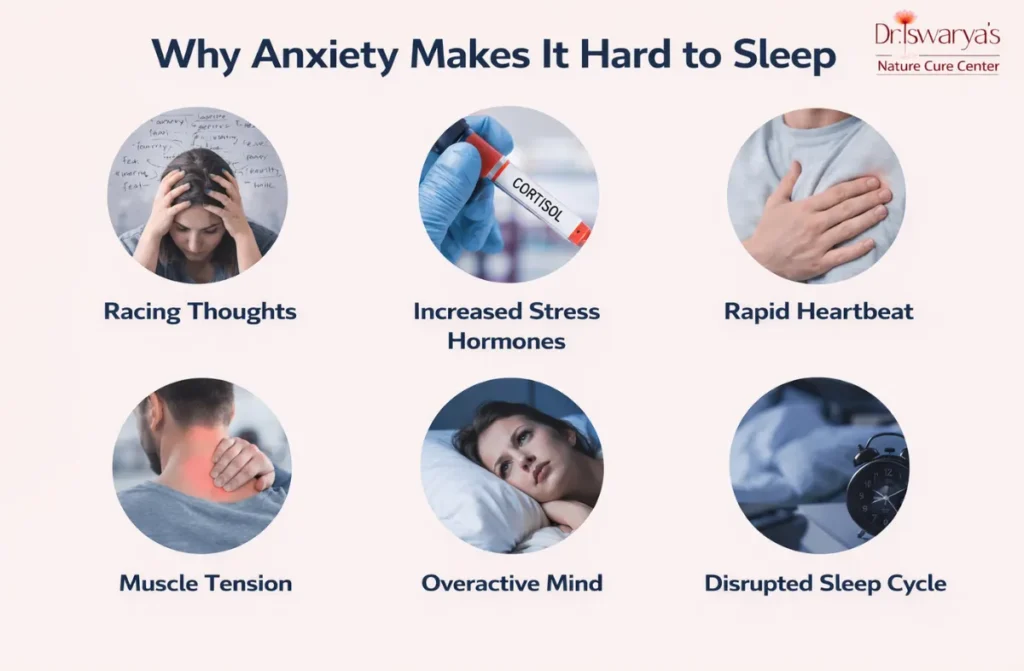
Common ways stress and anxiety interfere with sleep include:
- Racing thoughts at bedtime
- Difficulty relaxing muscles
- Increased heart rate
- Restlessness and nervousness
- Frequent waking during the night
- Early morning awakening
- Difficulty returning to sleep
People often spend hours searching for solutions on how to sleep when stressed and anxious because traditional sleep habits may not be enough when emotional stress is involved.
The body’s natural sleep cycle depends on a sense of safety and relaxation. Anxiety sends the opposite message, keeping the nervous system activated and alert.
Common Signs Your Sleep Problems May Be Related to Anxiety
Stress-related sleep issues often have recognizable symptoms. These may include:
- Taking longer than 30 minutes to fall asleep
- Feeling mentally exhausted but physically unable to sleep
- Waking up several times during the night
- Experiencing vivid dreams or nightmares
- Feeling tired despite spending enough time in bed
- Difficulty concentrating during the day
- Increased irritability and mood changes
People wondering how to sleep when stressed and anxious often notice that their sleep difficulties become worse during periods of emotional pressure or major life changes.
Recognizing this connection is an important first step toward finding effective solutions.
What Happens When You Don’t Get Enough Sleep
Sleep deprivation affects far more than energy levels. When the body consistently fails to get adequate rest, multiple systems begin to suffer.
Short-term effects include:
- Fatigue
- Reduced concentration
- Poor decision-making
- Mood swings
- Increased stress levels
Long-term sleep deprivation may contribute to:
- Weakened immune function
- Weight management challenges
- High blood pressure
- Reduced mental health resilience
- Increased risk of chronic health conditions
Many people ask, does sleep reduce stress? The answer is yes. Quality sleep helps regulate stress hormones, supports emotional processing, and allows the brain to recover from daily demands. In fact, does sleep reduce stress is a common question because many individuals notice significant improvements in mood and resilience after getting adequate rest.
When sleep improves, stress often becomes more manageable. Likewise, reducing stress can make sleep easier.
How to Determine Whether It’s Anxiety or a Sleep Disorder
Not all sleep difficulties are caused by anxiety. Some individuals may have underlying sleep disorders that require professional evaluation.
Common sleep disorders include:
- Insomnia
- Sleep apnea
- Restless leg syndrome
- Circadian rhythm disorders
Many people wonder, does stress cause sleep apnea? While stress itself does not directly cause obstructive sleep apnea, it can worsen sleep quality and increase awareness of breathing disturbances. Similarly, people often ask, can stress cause sleep apnea because symptoms may become more noticeable during periods of high anxiety.
It is important to understand that does stress cause sleep apnea is a complex question. Stress may aggravate symptoms and contribute to poor sleep, but structural airway issues are generally the primary cause of sleep apnea.
Likewise, can stress cause sleep apnea concerns should be discussed with a healthcare professional if symptoms such as loud snoring, gasping during sleep, or excessive daytime fatigue are present.
Effective Ways to Sleep Better When Stressed and Anxious
1. Maintain a Consistent Sleep Schedule
The body thrives on routine. Going to bed and waking up at the same time every day helps regulate the internal clock.
Consistency strengthens natural sleep signals and can make it easier to fall asleep. This simple strategy is often recommended for anyone seeking guidance on how to sleep when stressed and anxious.
Even on weekends, maintaining a regular schedule supports better long-term sleep quality.
2. Create a Relaxing Bedtime Routine
A calming evening routine signals to the brain that it is time to unwind.
Helpful activities may include:
- Reading a book
- Taking a warm bath
- Gentle stretching
- Listening to calming music
- Practicing gratitude journaling
These activities help reduce mental stimulation and prepare the body for rest.
3. Practice Deep Breathing Techniques
Deep breathing activates the parasympathetic nervous system, which promotes relaxation.
Simple breathing exercises can lower heart rate, reduce muscle tension, and calm anxious thoughts.
For people wondering how to sleep when stressed and anxious, breathing techniques are among the most accessible and effective tools available.
4. Limit Screen Exposure Before Bed
Electronic devices emit blue light, which can interfere with melatonin production.
Reducing screen time at least one hour before bedtime can improve sleep quality.
Instead of scrolling through social media or checking emails, choose calming activities that support relaxation.
5. Reduce Evening Stimulants
Caffeine, nicotine, and certain energy drinks can remain in the body for several hours.
Limiting stimulant intake during the afternoon and evening can help reduce sleep disturbances.
A balanced diet combined with proper hydration also supports healthy sleep patterns.
6. Spend More Time in Natural Light
Exposure to sunlight helps regulate the body’s circadian rhythm.
Morning sunlight is particularly beneficial because it helps synchronize the sleep-wake cycle and supports melatonin production later in the evening.
7. Stay Physically Active
Regular exercise can reduce stress, improve mood, and promote deeper sleep.
Moderate physical activity helps release tension accumulated throughout the day.
However, vigorous exercise should be avoided close to bedtime, as it may temporarily increase alertness.
Managing Anxiety Before Bedtime
For individuals dealing with persistent anxiety, nighttime can be especially challenging.
Many people search for how to sleep with anxiety and depression because emotional struggles often intensify during quiet nighttime hours.
When learning how to sleep with anxiety and depression, it is important to focus on both emotional well-being and sleep hygiene. Relaxation techniques, counseling, physical activity, and supportive therapies can all contribute to better sleep.
Similarly, individuals experiencing panic symptoms may wonder how to sleep with anxiety attack episodes that occur at night. Understanding how to sleep with anxiety attack situations often involves practicing grounding techniques, controlled breathing, and relaxation exercises that calm the nervous system.
Professional support may also be beneficial when anxiety significantly interferes with sleep.
Naturopathy Approaches for Better Sleep
Naturopathy focuses on supporting the body’s natural healing processes. Instead of relying solely on symptom management, it aims to identify and address underlying causes.
At Dr. Iswaryas Nature Cure Center, natural wellness strategies may include:
- Lifestyle counseling
- Stress management techniques
- Dietary guidance
- Relaxation therapies
- Mind-body wellness practices
- Holistic health education
These approaches work together to promote overall balance and improve sleep quality naturally.
Individuals looking for how to sleep when stressed and anxious often benefit from a comprehensive approach that considers physical, emotional, and lifestyle factors.
Lifestyle Habits That Support Long-Term Sleep Health
Improving sleep is not just about bedtime routines. Daily habits also play an important role.
Helpful lifestyle practices include:
- Maintaining a healthy diet
- Staying hydrated
- Managing daily stress proactively
- Practicing mindfulness
- Building healthy work-life balance
- Spending time outdoors
- Avoiding excessive caffeine and alcohol
Over time, these habits strengthen the body’s ability to manage stress and support consistent sleep patterns.
People searching for how to sleep when stressed and anxious often discover that small daily improvements can produce meaningful long-term results.
When to Seek Professional Help
While occasional sleep difficulties are normal, persistent problems should not be ignored.
Consider seeking professional guidance if:
- Sleep problems last longer than several weeks
- Daytime functioning is affected
- Anxiety becomes overwhelming
- Fatigue interferes with work or relationships
- Symptoms of a sleep disorder are present
Early intervention can prevent complications and improve overall quality of life.
A qualified healthcare professional can help determine whether symptoms are related to anxiety, insomnia, sleep apnea, or other underlying conditions.
Why Choose Dr. Iswaryas Nature Cure Center
At Dr. Iswaryas Nature Cure Center, the focus is on holistic healing and personalized care. Every individual experiences stress and sleep challenges differently, which is why treatment approaches are tailored to individual needs.
The center emphasizes:
- Natural healing methods
- Patient-centered care
- Lifestyle modification
- Stress reduction strategies
- Long-term wellness support
By addressing root causes rather than symptoms alone, individuals can work toward sustainable improvements in both sleep quality and overall well-being.
Conclusion
Learning how to sleep when stressed and anxious requires understanding the close relationship between mental well-being and sleep health. Stress and anxiety can disrupt normal sleep patterns, but effective lifestyle changes, relaxation techniques, and holistic wellness approaches can make a significant difference.
Whether the challenge involves occasional stress, persistent anxiety, or concerns about long-term sleep quality, taking proactive steps can help restore balance and improve overall health. At Dr. Iswaryas Nature Cure Center, individuals receive personalized support designed to encourage natural healing and promote restful, restorative sleep.
By adopting healthy habits, managing stress effectively, and seeking professional guidance when necessary, it is possible to overcome sleep difficulties and enjoy the benefits of consistent, high-quality rest.