
The history of naturopathy reflects humanity’s long-standing belief in nature as the greatest healer. Rooted in ancient civilizations, naturopathy emphasizes natural remedies, lifestyle balance, and preventive care. Over centuries, this holistic system evolved by blending traditional wisdom with modern wellness principles. Understanding its history helps us appreciate why naturopathy continues to support long-term health today.
The Basic Concept of Naturopathy
Core Principles of Naturopathy
At the heart of the history of naturopathy lies the belief that the body has an innate ability to heal itself. Naturopathy works by supporting this natural healing force through proper nutrition, adequate rest, detoxification, and mindful living rather than suppressing symptoms. “One cause, there is only one cure.”
- Treat the Cause: Instead of focusing only on visible symptoms, naturopathy identifies the root cause of illness. Digestive imbalances, stress, poor sleep, or unhealthy habits are addressed holistically, which explains many naturopathy treatment benefits seen in chronic lifestyle disorders.
- First, Do No Harm: Natural therapies are chosen carefully to avoid harmful side effects. Gentle treatments like fasting therapy, hydrotherapy, and herbal support respect the body’s limits while encouraging gradual healing.
- Doctor as Teacher: Naturopathy empowers individuals through education. Patients learn how food, emotions, posture, and routine influence health, making healing a shared responsibility rather than a passive process.
- Treat the Whole Person: Physical, mental, emotional, and spiritual aspects are interconnected. Naturopathy treats the person, not the disease, which is a core lesson passed down through the history of naturopathy.
- Prevention: Preventive care is central to naturopathy. By correcting lifestyle habits early, long-term illness can often be avoided naturally.
Key Approaches & Therapies
- Holistic Lifestyle Care: Daily routines, sleep quality, stress management, and emotional balance form the foundation of healing. Small lifestyle corrections often lead to powerful naturopathy treatment benefits over time.
- Natural Modalities: Therapies such as nutrition therapy, yoga, hydrotherapy, mud therapy, and fasting help cleanse and rejuvenate the body naturally.
- Drug-Free Healing: Naturopathy minimizes dependency on medications by strengthening the body’s internal defense system through natural means.
Benefits of Naturopathy Treatment in Today’s World
- Holistic & Personalized Care: Every treatment plan is tailored to individual body constitution, lifestyle, and emotional state, a principle deeply rooted in the history of naturopathy.
- Root Cause Identification: Rather than masking symptoms, naturopathy uncovers underlying imbalances, leading to sustainable healing.
- Reduced Drug Dependency: One of the major benefits of naturopathy treatment is minimizing long-term medication use through natural correction of habits.
- Chronic Disease Prevention: Conditions like diabetes, obesity, hypertension, and arthritis can often be prevented or controlled with consistent naturopathic care.
- Mental & Emotional Well-being: Mindfulness, meditation, and breathing practices improve emotional resilience and mental clarity.
- Natural & Gentle Healing: Treatments are non-invasive, safe, and aligned with the body’s natural rhythms.
- Empowerment & Self-Awareness: Patients become more aware of their health choices, reinforcing lifelong wellness.
Common Naturopathic Practices
- Dietary & Nutritional Therapy – Personalized food plans for healing
- Herbal Medicine – Plant-based remedies for internal balance
- Hydrotherapy – Water treatments to stimulate circulation
- Mindfulness & Stress Management – Yoga, meditation, relaxation
- Acupressure/Acupuncture – Energy balance and pain relief
Risk-Free Treatment
Naturopathy is often described as a risk-free approach when practiced responsibly, a concept supported throughout the history of naturopathy. Treatments emphasize safety, natural tolerance, and gradual improvement rather than aggressive intervention.
- In Medicine & Wellness: Natural therapies reduce side effects and support long-term health. The benefits of naturopathy treatment include improved immunity, better digestion, and stress reduction without chemical overload.
- In Finance (Risk-Free Rate – A Comparison): Just as low-risk investments offer steady returns, naturopathy provides slow, consistent health improvement. The body heals at its own pace, minimizing health risks and unexpected complications.
- Complete and Permanent Cure: Naturopathy is built on the principle that true healing occurs when the underlying cause of illness is identified and corrected. Instead of offering temporary relief, this system aims to restore balance within the body by improving daily habits and internal functioning. It promotes natural methods such as therapeutic nutrition, fasting, hydrotherapy, and plant-based remedies to support the body’s recovery process.
A core strength of naturopathy is its focus on long-term results rather than short-term symptom control. By addressing physical, mental, and emotional factors together, it ensures a more lasting and stable state of health. Lifestyle discipline, including proper rest, mindful living, and stress management, plays a crucial role in sustaining wellness.
Understanding “Cure”
| Term | Meaning |
| Cure | Complete elimination of disease cause |
| Treatment | Ongoing management of symptoms |
| Remission | Disease becomes inactive or controlled |
The advantages of naturopathy lie in restoring balance, preventing recurrence, and enhancing quality of life even when complete cure isn’t possible.
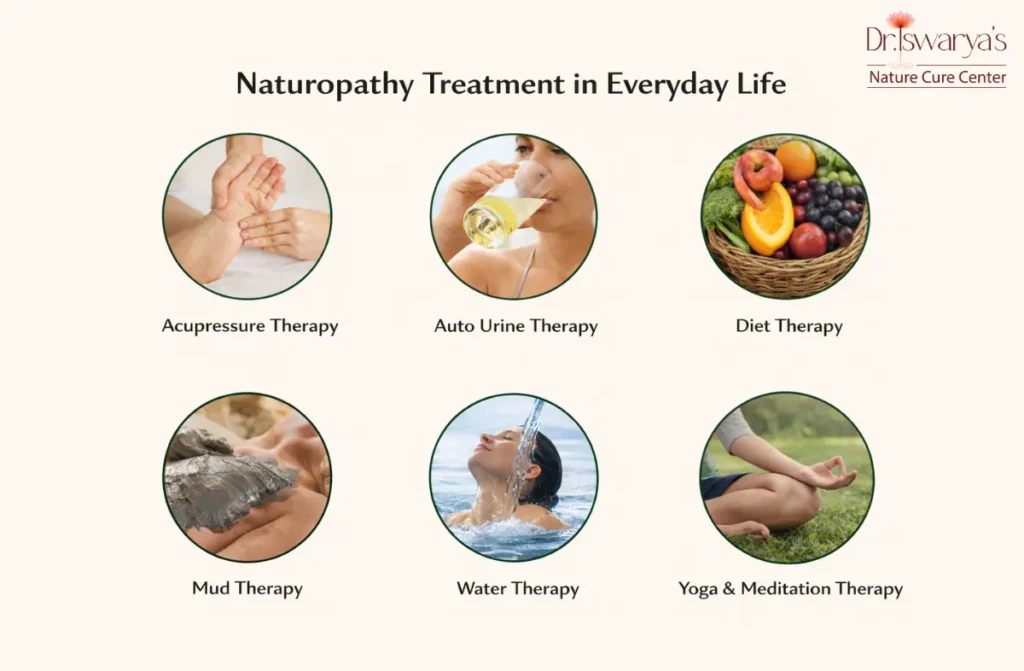
Naturopathy Treatment in Everyday Life
The history of naturopathy shows that daily habits shape long-term health more than occasional treatments.
Everyday Naturopathic Practices
- Eating seasonal, natural foods
- Practicing daily yoga and breathing exercises
- Maintaining proper sleep routines
- Using fasting or detox days mindfully
- Managing stress through meditation
- Staying physically active naturally
These habits highlight the advantages of naturopathy in daily wellness.
Emotional Factors and Their Impact on Organs
In holistic and naturopathic care, emotions and organs are deeply interconnected. Prolonged emotional imbalance can disturb organ function and gradually lead to disease. Maintaining emotional balance through mindfulness, lifestyle correction, and natural therapies helps protect organ health and overall well-being.
- Stress & Anxiety → Affects the heart, nervous system, and adrenal glands, leading to fatigue, high blood pressure, and sleep issues.
- Anger & Irritability → Impacts the liver and gallbladder, often linked with headaches, acidity, and digestive discomfort.
- Fear & Insecurity → Weakens the kidneys and bladder, which may result in low energy and hormonal imbalance.
- Sadness & Grief → Influences the lungs and immune system, increasing susceptibility to respiratory problems and low immunity.
- Worry & Overthinking → Affects the stomach, spleen, and pancreas, causing indigestion, bloating, and appetite changes.
- Suppressed Emotions → Can strain the digestive system and muscles, leading to chronic pain or gut-related issues.
- Lack of Emotional Expression → Impacts the throat and thyroid, sometimes associated with voice issues or hormonal imbalance.
- Chronic Mental Fatigue → Affects the brain and nervous system, resulting in poor concentration and mood disturbances.
- Emotional Trauma → May influence the heart and hormonal system, contributing to emotional instability and long-term illness.
Better & Healthier Lifestyle
A better lifestyle is a natural outcome of understanding the history of naturopathy and applying its principles consistently.
Lifestyle Improvements Through Naturopathy
- Balanced nutrition improves energy levels
- Natural sleep cycles enhance recovery
- Stress management improves emotional health
- Regular detoxification supports immunity
- Mind-body practices enhance clarity and focus
These long-term naturopathy treatment benefits create sustainable wellness rather than short-term relief.
Conclusion
The history of naturopathy teaches us that true healing comes from aligning the body with nature’s laws. In today’s fast-paced world, naturopathy offers a gentle yet powerful path toward lasting health. Dr. Iswarya, a specialist in naturopathy, brings deep knowledge and compassionate care to every patient. Her holistic approach focuses on root-cause healing, lifestyle correction, and natural therapies. Under her guidance, patients experience not just symptom relief, but real transformation. Choosing naturopathy with the right expert can help you regain balance, vitality, and long-term wellness naturally.
Read More: Restoring Health Through Nature Wisdom.