Written and Reviewed by
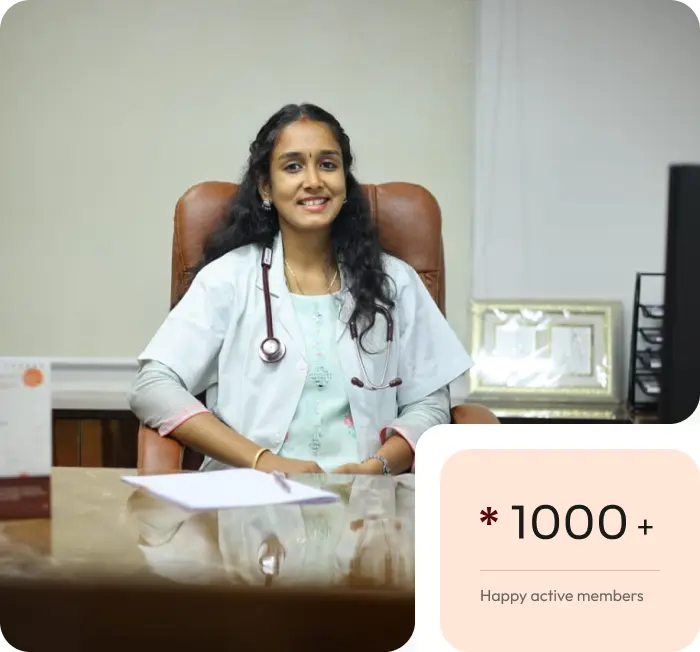
Dr. Iswarya
BNYS (Bachelor of Naturopathy & Yogic Sciences), MD (Doctor in Medicine). Founder & Chief Naturopathy Consultant at Dr. Iswarya’s Nature Cure Centre, Chennai.
Medical registration ID – 0308/A
View credentials →Polycystic Ovarian Disease (PCOD) is one of the most common hormonal conditions affecting women of reproductive age today. Research suggests it may affect close to one in five women in India, though estimates vary widely depending on diagnostic criteria and region. PCOD can bring irregular periods, weight changes, skin and hair concerns, and fertility challenges — all of which affect far more than just the body.
Conventional treatment often centers on managing individual symptoms, usually with hormonal medication. But a growing number of women are now exploring natural treatment for PCOD in Chennai as a complementary or alternative path — one that looks at diet, stress, sleep, and daily habits as part of the root cause rather than treating each symptom separately.
At Dr. Iswarya’s Nature Cure Centre, we build individualized care plans that combine nutrition, movement, detox therapies, and stress-reduction techniques, with the goal of supporting the body’s own hormonal regulation over time rather than offering a quick, temporary fix. In 2025, our centre was recognized by Siliconindia Magazine among the Top 10 Prominent Holistic Medicine Treatment Centers in Tamil Nadu — a reflection of our long-term commitment to patient-centered naturopathic care.
What is PCOD?
PCOD (Polycystic Ovarian Disease) occurs when the ovaries release immature or partially mature eggs, which can accumulate as small cysts. Over time, this disrupts the normal hormonal cycle and can interfere with regular ovulation.
Many women with PCOD have elevated androgen (male hormone) levels, which can show up as acne, excess facial or body hair, and irregular cycles. It’s also closely linked to insulin resistance, which is part of why weight management can feel like an uphill battle for many patients. Seeking natural treatment for PCOD in Chennai can help address these underlying imbalances through a holistic, whole-body approach.
A quick note on terminology: PCOD and PCOS (Polycystic Ovary Syndrome) are related but not identical. PCOD is generally considered a metabolic and hormonal condition that’s often more responsive to lifestyle changes, while PCOS is a more complex endocrine disorder that can involve greater hormonal disruption and, in some cases, is linked more strongly to infertility. Both benefit from a similar naturopathic approach, but the underlying severity can differ — which is one reason a personalized assessment matters more than a generic protocol. (If you’re specifically looking into PCOS, see our dedicated guide: Natural Treatment for PCOS in Chennai.)
What Causes PCOD?
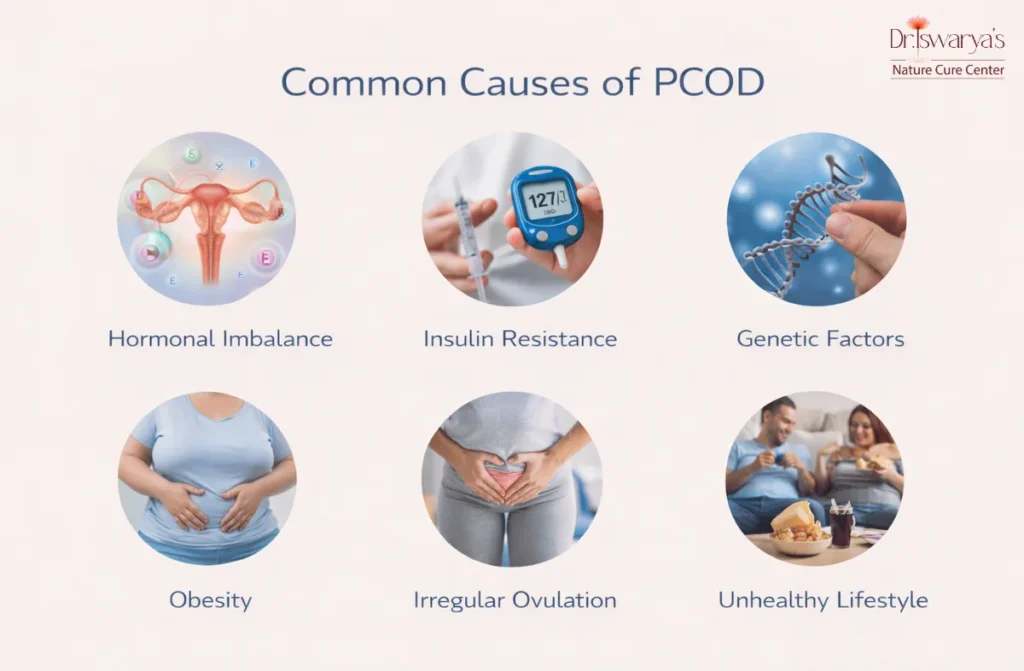
PCOD rarely comes down to one single cause. It’s usually a mix of the following:
- Hormonal imbalance — disruptions in estrogen, progesterone, or androgen levels affect ovulation and menstruation.
- Insulin resistance — when cells stop responding properly to insulin, blood sugar rises and androgen production tends to increase along with it.
- Genetics — a family history of PCOD or PCOS raises the likelihood of developing it.
- Chronic stress — sustained high cortisol levels can throw off the entire hormonal cascade.
- Lifestyle factors — irregular sleep, low physical activity, and a diet high in refined sugar and processed food are consistently linked to worse symptom severity.
Common Signs and Symptoms
Symptoms vary quite a bit between individuals, which is part of why PCOD can go undiagnosed for years. Watch for:
- Irregular or missed periods
- Weight gain, especially around the abdomen
- Acne or persistently oily skin
- Excess facial or body hair (hirsutism)
- Thinning hair or hair loss
- Difficulty conceiving
- Ongoing fatigue
- Mood swings or increased anxiety
If several of these apply to you, it’s worth getting evaluated rather than guessing — a proper diagnosis (usually involving a pelvic ultrasound and hormone panel) is the starting point for any effective PCOD treatment in Chennai, whether conventional or natural.
How Untreated PCOD Can Affect Long-Term Health
Left unmanaged, PCOD can raise the risk of type 2 diabetes, high cholesterol, obesity, and fertility complications. The emotional impact — frustration over appearance changes, unpredictable cycles, or difficulty conceiving — is real and often under-discussed in clinical settings.
The encouraging part: early, consistent lifestyle intervention has been shown to meaningfully reduce these risks and improve day-to-day quality of life for many women, even when it doesn’t eliminate the condition entirely.
Why Consider a Naturopathic Approach?
Naturopathy doesn’t aim to replace medical care — it works alongside it, focusing on the underlying imbalances rather than symptom suppression alone. Women who pursue holistic wellness care as natural treatment for PCOD in Chennai often report:
- More regular cycles over time
- Improved insulin sensitivity
- Gradual, sustainable weight changes (rather than crash-diet results)
- Fewer skin and hair symptoms
- Better energy and mood
- Reduced reliance on long-term medication, in cases where a doctor determines this is appropriate
It’s worth being honest here: naturopathy isn’t a guaranteed cure, and results vary by individual, severity, and consistency. Many patients describe our approach as the best naturopathy treatment for PCOD in Chennai precisely because it’s built around this kind of realistic, longer-term commitment rather than a one-time fix.
Our Naturopathic Approach to PCOD
At our centre, care plans are built around each patient’s symptoms, test results, and lifestyle — not a one-size-fits-all protocol. Core components typically include:
- Detoxification therapy: Supports metabolic function and helps the body process hormones more efficiently.
- Nutrition counseling: A dietary plan built around your blood sugar response, weight goals, and food preferences — not a generic “PCOD diet PDF.”
- Hydrotherapy: Warm and cold water applications used to support circulation and nervous system regulation.
- Lifestyle and stress counseling: One-on-one guidance on building sustainable daily routines.
- Yoga and pranayama: Targeted postures and breathing practices shown to support hormonal regulation and reduce stress hormones.
This combined approach is what many patients refer to as holistic healing for PCOD in Chennai — treating the person, not just the diagnosis.
The Role of Diet in Managing PCOD
Diet is one of the most controllable levers in PCOD management, because of its direct effect on insulin and inflammation.
Foods that tend to help:
- Fresh vegetables and fruits (particularly low-glycemic options)
- Whole grains over refined grains
- Legumes and pulses
- Nuts and seeds
- Healthy fats (nuts, seeds, cold-pressed oils)
- Lean protein
Foods to limit:
- Refined sugar and sweets
- Processed and packaged foods
- Sugary drinks, including fruit juices with added sugar
- Deep-fried foods
- Highly processed snacks
Small, consistent dietary shifts — not extreme restriction — tend to produce the most sustainable results, and are a cornerstone of any effective natural treatment for PCOD in Chennai.
Exercise and Physical Activity
Movement improves insulin sensitivity and supports weight management, independent of diet changes. Good options include:
- Brisk walking (30 minutes most days is a reasonable starting target)
- Yoga
- Cycling
- Swimming
- Strength training, 2–3 times per week
- Stretching or mobility work
Stress and Sleep: The Overlooked Piece
Poor sleep and chronic stress directly disrupt cortisol and reproductive hormone levels. Small, consistent changes matter more than occasional big efforts:
- A short daily meditation or breathing practice
- A consistent sleep and wake time, even on weekends
- Reducing screen exposure for 30–60 minutes before bed
- Building in short breaks during high-stress workdays
10 Natural Approaches Worth Trying
- Balanced nutrition tailored to your blood sugar response
- Regular movement, even in short daily sessions
- Yoga and pranayama, practiced consistently rather than occasionally
- Gradual weight management, avoiding crash diets
- Active stress reduction, not just “trying to relax”
- Consistent sleep, aiming for 7–8 hours nightly
- Adequate hydration throughout the day
- Supervised detox therapy, done under professional guidance
- Mindful eating, slowing down and avoiding distracted meals
- Long-term consistency — the biggest factor in whether lifestyle changes actually work
Women who combine these habits with professional guidance often see the most meaningful results from natural treatment for PCOD in Chennai.
Do’s and Don’ts
Do:
- Eat whole, minimally processed foods
- Stay physically active most days
- Build in real stress-management practices, not just intentions
- Prioritize consistent sleep
- Stay well hydrated
- Get regular check-ups to track hormone and metabolic markers
Don’t:
- Skip meals regularly
- Rely heavily on processed or packaged food
- Stay sedentary for long stretches
- Dismiss stress as something to just “push through”
- Expect a single remedy or product to fix everything
- Skip follow-up appointments once symptoms improve
Why Patients Choose Dr. Iswarya’s Nature Cure Centre
“Our work is grounded in preventive care — helping people avoid chronic diseases and hormonal imbalances before they begin. My goal is to help every patient reconnect with their body’s own wisdom.” — Dr. Iswarya, BNYS., MD (Acupuncture and Energy Medicine)
Our team focuses on identifying the root causes behind each patient’s hormonal imbalance rather than applying a standard template. Every plan includes an individual assessment, customized nutrition guidance, and ongoing support as your body responds to treatment — which is why many patients consider us for the best naturopathy treatment for PCOD in Chennai.
We see patients across the city, offering natural treatment for PCOD in Mogappair at our West Mogappair centre and natural treatment for PCOD in Mandaveli at our second location. See our locations and contact details to find the centre nearest you.
Building PCOD Management Into Daily Life
Long-term results come from habits, not short bursts of effort. That generally means:
- Keeping meals consistent and balanced
- Staying active in a way you’ll actually sustain
- Monitoring weight and symptoms over time, not just at the start
- Treating stress management as a daily practice
- Getting enough sleep, consistently
- Attending regular follow-ups to track progress
Conclusion
PCOD affects far more than the reproductive system, but it’s also one of the conditions most responsive to consistent lifestyle change. Naturopathic care — combining nutrition, movement, stress management, and targeted therapies — won’t work overnight, and it isn’t a substitute for medical diagnosis. But for many women, natural treatment for PCOD in Chennai offers a sustainable, low-risk complement to conventional care.
At Dr. Iswarya’s Nature Cure Centre, our team works with you to build a plan around your specific symptoms and goals, whether that’s more regular cycles, better energy, or long-term hormonal balance.
Related reading: How to Sleep When Stressed and Anxious