
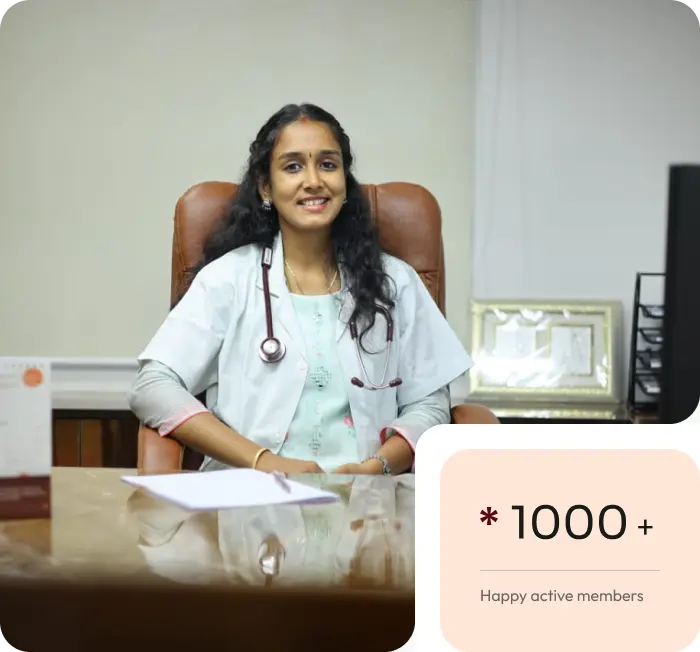
Written and Reviewed by
Dr. Iswarya
BNYS (Bachelor of Naturopathy & Yogic Sciences), MD (Doctor in Medicine). Founder & Chief Naturopathy Consultant at Dr. Iswarya’s Nature Cure Centre, Chennai.
Medical registration ID – 0308/A
View credentials →Effective PCOD treatment in Chennai starts with one reassuring fact: PCOD is very common, it is manageable, and many women see real improvement with the right care. Irregular periods, weight gain, acne, hair fall and delayed pregnancy can make you feel that something is seriously wrong with your body. In many women, these signs point to a hormonal imbalance that can improve with steady medical and lifestyle support.
Many women do best when both are combined. A gynecologist can confirm the diagnosis and prescribe medicines when they are needed, while diet, exercise, yoga, sleep and stress care address the daily habits that keep the imbalance going.
This guide explains what PCOD is, how it differs from PCOS, how it is diagnosed, when to see a doctor first, and which medical and natural options can help. You will also find a sample Indian diet plan, common myths and answers to frequently asked questions. At Dr. Iswarya’s Nature Cure Centre in Mandaveli, Chennai, care is personalised and doctor-led.
What is PCOD?
PCOD (polycystic ovarian disease) is a hormonal condition in which the ovaries release many immature or partly mature follicles instead of regularly releasing a healthy egg. These follicles can appear as small cysts on ultrasound. The result is irregular ovulation, irregular periods and, in many women, higher levels of androgens (male-type hormones) that cause acne, unwanted hair and hair thinning.
How PCOD affects your body
The hormonal imbalance rarely stays limited to the ovaries. It can affect how the body uses insulin, how it stores fat, how skin and hair behave, and how you sleep and feel. That is why PCOD often shows up as a mix of period, weight, skin and mood problems at once.
PCOD vs PCOS: a simple comparison
In India the terms are used very loosely, and many women hear both. The table below shows how they are commonly described. Medical literature mostly uses the single term PCOS, so your doctor’s diagnosis matters more than the label.
| Feature | PCOD (as commonly described) | PCOS |
| Nature | Ovaries release many immature follicles; often lifestyle-linked | A wider hormonal and metabolic syndrome |
| Severity | Usually milder | Can be more severe |
| Ovulation | Often irregular but may still occur | Often irregular or absent |
| Fertility | Conception is common with simple support | May need medical help to ovulate |
| Long-term risk | Lower, if managed early | Higher risk of diabetes, cholesterol and heart problems |
| Management | Lifestyle changes help a great deal | Lifestyle plus medical treatment is often needed |
You can read our companion guide on natural treatment for PCOS in Chennai if you want the PCOS side in detail.
Causes and Risk Factors of PCOD
There is no single cause. Several factors usually work together:
- Insulin resistance: The body needs more insulin to manage blood sugar, which encourages the ovaries to make more androgens.
- Hormonal imbalance: A disturbed balance between LH, FSH and androgens interferes with ovulation.
- Genetics: PCOD often runs in families, so a mother or sister with it raises your risk.
- Sedentary lifestyle: Little movement and long sitting hours worsen insulin resistance.
- Diet: Refined carbohydrates, sugary drinks, bakery items and fried food make the imbalance worse.
- Stress and poor sleep: Chronic stress and late nights raise stress hormones and disturb the cycle.
- Weight gain: Extra fat, especially around the waist, increases insulin resistance.

Common Symptoms of PCOD
Symptoms vary from woman to woman and can change over time:
- Irregular or delayed periods: Cycles longer than 35 days or periods that skip months.
- Weight gain: Especially around the abdomen, and difficulty losing it.
- Acne and oily skin: Often along the jawline and persisting into adulthood.
- Unwanted hair growth: On the face, chin, chest or abdomen.
- Hair thinning: Gradual thinning at the crown or a widening parting.
- Heavy or painful periods: Or a period that arrives after a long gap with heavy flow.
- Dark skin patches: On the neck, underarms or groin.
- Mood changes and fatigue: Anxiety, irritability, low mood and tiredness.
- Delay in conceiving: Because ovulation is irregular.
How PCOD Is Diagnosed
Diagnosis begins with a conversation about your periods, weight changes, skin, hair and family history, followed by a physical examination. Your doctor may then advise:
- Hormone profile: LH, FSH, testosterone and sometimes DHEAS
- Thyroid function and prolactin: To rule out conditions that mimic PCOD
- Fasting blood sugar, HbA1c and insulin: To check for insulin resistance or diabetes
- Lipid profile: To check cholesterol and triglycerides
- Vitamin D and B12: Often low and worth correcting
- Pelvic ultrasound: To look at the ovaries and the uterine lining
An ultrasound report alone does not confirm PCOD, because many healthy women also have polycystic-looking ovaries. A proper diagnosis combines your symptoms, examination and tests.
When Should You See a Gynecologist First?
Lifestyle care supports PCOD treatment in Chennai, but some situations need a gynecologist’s evaluation first. Please see one if you have:
- No period for three months or more
- Very heavy or prolonged bleeding, or severe pelvic pain
- Trying to conceive for 12 months (or 6 months if you are over 35) without success
- Rapid weight change, severe acne or fast-growing facial hair
- Excessive thirst, frequent urination or other signs of diabetes
A good PCOD doctor in Chennai will confirm the diagnosis, explain every option clearly, and welcome natural and lifestyle support alongside your treatment.
Medical Treatment Options for PCOD
Medical treatment depends on your symptoms, age and plans for pregnancy, and it is always decided by your doctor. Common approaches include:
- Cycle regulation: Hormonal medicines may be used to bring periods on a regular schedule and protect the uterine lining.
- Insulin-sensitising medicines: For selected women with insulin resistance or prediabetes.
- Skin and hair care: Dermatology treatment for persistent acne, hair growth or hair fall.
- Ovulation induction: For women who want to conceive and are not ovulating regularly.
Please do not start, stop or change any medicine on your own. Each has benefits and side effects that your doctor will explain.
Natural and Lifestyle-Based PCOD Treatment
Lifestyle care is the foundation of PCOD treatment in Chennai and everywhere else, because the daily habits that feed the imbalance are the ones you can change. Even a modest weight loss of 5 to 10 percent in women who are overweight can improve cycles and insulin response.
1. Diet for PCOD
The aim is steady blood sugar and less insulin spiking, using familiar Indian food.
- Choose low-glycemic carbohydrates: Ragi, kambu, samai, whole wheat, oats and brown or red rice in measured portions.
- Add protein to every meal: Dals, sprouts, chickpeas, curd, paneer, eggs and fish if you eat them.
- Fill half the plate with vegetables: Keerai, beans, cabbage, gourds and other seasonal vegetables.
- Use healthy fats: Nuts, flax and pumpkin seeds and moderate cold-pressed oils.
- Prefer whole fruit over juice: Guava, apple, pear and papaya.
- Limit: Sugary drinks, sweets, bakery items, maida, white bread, deep-fried snacks, packaged food and excess caffeine.
2. Exercise and weight management
Aim for at least 150 minutes of moderate activity a week, such as brisk walking, cycling, swimming or dance, with strength training twice a week. Muscle helps the body handle sugar better. Start small and build up so the habit lasts.
3. Yoga and pranayama
Yoga does not cure PCOD, but studies suggest it can help with stress, sleep and menstrual regularity as part of a wider plan. Practices commonly used include Surya namaskar, Baddha konasana, Bhujangasana, Dhanurasana, Setu bandhasana, Nadi shodhana and Bhramari. Learn them under a trained therapist first. The centre offers yoga and meditation in person and online.
4. Acupuncture, hydrotherapy and massage
These therapies are supportive. They may help with stress, pain, sleep and general wellbeing. Research on acupuncture for PCOD and PCOS is still limited and mixed, so treat it as a complementary option and not a replacement for medical care. You can read about acupuncture and traditional healing on our site.
5. Sleep and stress management
Poor sleep and long-term stress increase insulin resistance and cravings. Keep a fixed bedtime and wake time, avoid screens an hour before bed, take morning sunlight and spend 10 minutes daily on breathing or meditation.
6. Counseling and emotional support
Living with PCOD can affect confidence, body image and mood. Counseling gives you a safe space to talk and practical tools to cope.
PCOD Treatment in Chennai at Dr. Iswarya’s Nature Cure Centre
Dr. Iswarya’s Nature Cure Centre is a doctor-led naturopathy and wellness clinic in Mandaveli, and women often look for it as a PCOD centre in Chennai that treats the whole person rather than one symptom. A plan is built around your cycle history, reports, weight, stress and daily routine, and it typically includes:
- A detailed assessment: Cycle pattern, symptoms, diet, activity, sleep, stress and medical reports.
- A personalised diet and routine: Practical guidance using food you already eat.
- Yoga and breathing therapy: Taught by a therapeutic yoga specialist.
- Supportive therapies: Such as acupuncture, hydrotherapy and massage, when suitable.
- Counseling: For stress, mood and body image.
- Coordination with your gynecologist: So medical and natural care work together.
- Follow-ups and online consultation: To track progress and adjust your plan, including through teleconsultation.
The centre is led by Dr. Iswarya Subramaniam (BNYS, MD; Registration No. 0308/A) and supported by naturopaths, a therapeutic yoga specialist and a chiropractor. For more on the approach, see our post on natural treatment for PCOD in Chennai.
A Sample PCOD-Friendly Indian Diet for One Day
This is a general example, not a prescription. Portions and choices should be adjusted to your weight, blood sugar, activity and preferences.
| Meal | Example |
| Early morning | Warm water with lemon or jeera water; a handful of soaked almonds |
| Breakfast | Ragi dosa or vegetable oats upma with sambar, or moong dal cheela with mint chutney |
| Mid-morning | A guava or apple, or a glass of buttermilk |
| Lunch | 1 cup millet or brown rice, dal, a large portion of vegetables, salad and a small bowl of curd |
| Evening snack | Sprouts salad, roasted chana or a small handful of nuts, with green tea or herbal tea |
| Dinner (early and light) | Vegetable soup with 1 to 2 whole wheat rotis and a vegetable or paneer curry |
| Bedtime | Warm turmeric milk or herbal tea if it suits you |
If you have diabetes, a thyroid problem or another condition, ask your doctor or dietitian to tailor this plan.
PCOD and Fertility
Many women with PCOD conceive naturally, especially once weight, cycles and insulin response improve. Others need ovulation-inducing medicines or fertility support from a gynecologist. If you are trying to conceive, consider seeing a doctor after 12 months of trying, or after 6 months if you are over 35 or your cycles are very irregular. A pre-pregnancy check of blood sugar, thyroid and vitamin levels is also wise.
PCOD in Teenagers and Young Women
Irregular periods are common in the first two years after a girl’s first period, so doctors are careful about labelling a teenager. If cycles stay very irregular, or acne, hair growth and weight gain are marked, a medical check is sensible. Early lifestyle habits, such as regular meals, sleep, activity and less junk and sugar, are safe and valuable at this age and protect her for life.
PCOD Myths vs Facts
| Myth | Fact |
| PCOD is a lifelong disease with no hope of improvement. | It is a long-term condition, but symptoms can improve a great deal with the right care. |
| Only overweight women get PCOD. | Women of normal weight can have it too, though weight gain can worsen it. |
| Birth control pills cure PCOD. | They regulate periods and ease symptoms while taken, but they do not cure the cause. |
| You must stop eating all carbohydrates. | You need the right carbohydrates in the right amounts, not zero. |
| PCOD means you cannot become a mother. | Many women with PCOD conceive, naturally or with treatment. |
| Crash diets fix it quickly. | Extreme dieting usually backfires. Steady, sustainable change works better. |
How Much Does PCOD Treatment in Chennai Cost?
The cost depends on the consultation, the tests you need, any medicines your gynecologist prescribes, the number and type of therapy sessions, and how long your plan runs. Naturopathy centres often offer customised packages instead of one fixed fee. The easiest way to know the exact amount is to book a consultation, after which the doctor can recommend a plan and explain the charges clearly.
Conclusion
PCOD can feel confusing and frustrating, but it is a condition you can understand and manage. A sound approach to PCOD treatment in Chennai brings together a proper diagnosis, medical care when it is needed, and daily habits that support your hormones: balanced food, regular movement, restful sleep, calm breathing, and emotional care. Small steps repeated over months may help with regular periods, skin and hair, weight and confidence, although results differ from person to person.
If you would like a plan built around your own symptoms, reports and routine, Dr. Iswarya’s Nature Cure Centre offers doctor-led naturopathy, yoga, acupuncture, hydrotherapy and counseling in Mandaveli, Chennai, and online. Seeking help early is often beneficial, and you do not have to manage PCOD alone.
Book a PCOD Consultation
Dr. Iswarya’s Nature Cure Centre
Level 1 & 2, 44/1, Venkatakrishna Road, Jeth Nagar, Mandaveli, Chennai, Tamil Nadu 600028
Phone: 044-46187679 | Email: cmo@driswaryasnaturecure.com
Book a consultation or message us on WhatsApp to begin your personalised PCOD care plan.