

Written and Reviewed by
Dr. Iswarya
BNYS (Bachelor of Naturopathy & Yogic Sciences), MD (Doctor in Medicine). Founder & Chief Naturopathy Consultant at Dr. Iswarya’s Nature Cure Centre, Chennai.
Medical registration ID – 0308/A
View credentials →Back pain doesn’t care whether you’ve got deadlines to meet or a flight to catch. For young professionals constantly on the move, it can turn from a minor ache into a daily disruption. Naturopathy for back pain relief offers a gentle, root-cause approach that goes beyond masking symptoms — it works with the body’s own capacity to heal, without the side effects that often come with long-term medication use.
In this guide, we’ll walk through what naturopathy for back pain relief actually looks like in practice — the most common causes and symptoms, seven natural methods worth trying, and when it’s time to see a specialist in person.
What is the Best Natural Treatment for Back Pain?
There’s no single “best” treatment — the most effective approach usually combines several therapies rather than relying on one. Gentle yoga, stretching, and posture correction help release tension in the lower back. Heat packs or warm castor oil can ease muscle stiffness, while anti-inflammatory herbs like turmeric and ginger work from the inside out. Naturopathy also uses spinal alignment techniques, massage, and hydrotherapy to support recovery, alongside simple lifestyle habits — maintaining a healthy weight and staying active with low-impact movement — to reduce the chances of pain returning.
Symptoms of Lower Back Pain
Lower back pain can show up in different ways depending on its cause. Recognizing the pattern early makes it easier to choose the right care — natural or otherwise.
- Dull or aching pain: A steady discomfort in the lower spine, often worse after long periods of sitting. Gentle movement usually helps.
- Sharp or stabbing sensations: Sudden, intense pain during bending or lifting — often a sign of muscle strain or disc irritation.
- Stiffness and limited flexibility: Difficulty bending or standing upright, particularly after rest or inactivity.
- Pain radiating to the legs: A burning or tingling sensation spreading down one leg, which can indicate nerve compression (sciatica).
- Muscle spasms: Sudden, involuntary muscle contractions, usually triggered by strain or overuse.
When to see a doctor immediately: If back pain follows a fall or accident, comes with numbness, loss of bladder/bowel control, unexplained weight loss, or fever, seek medical attention right away — these can signal a more serious underlying condition that naturopathy alone should not be used to treat.
Causes of Lower Back Pain
Understanding what’s actually driving the pain helps in choosing the right natural approach.
- Muscle strain or ligament sprain: Improper lifting, sudden movements, or overuse can strain the muscles and ligaments supporting the spine, leading to inflammation and stiffness.
- Poor posture and a sedentary lifestyle: Long hours of sitting — especially with poor posture — weaken core muscles and add extra pressure to the lumbar spine, contributing to chronic discomfort over time.
- Herniated or slipped disc: When a spinal disc shifts or ruptures, it can press on nearby nerves, causing sharp or radiating pain that often worsens with bending or prolonged sitting.
- Degenerative disc disease: As we age, spinal discs lose hydration and cushioning ability, increasing susceptibility to pain and injury even during routine activity.
- Stress and emotional tension: Chronic stress tends to settle in the lower back and shoulders as physical tightness, sometimes causing pain with no obvious physical trigger.
- Improper sleeping positions: An unsupportive mattress or a twisted sleeping posture can leave the spine strained and stiff by morning.
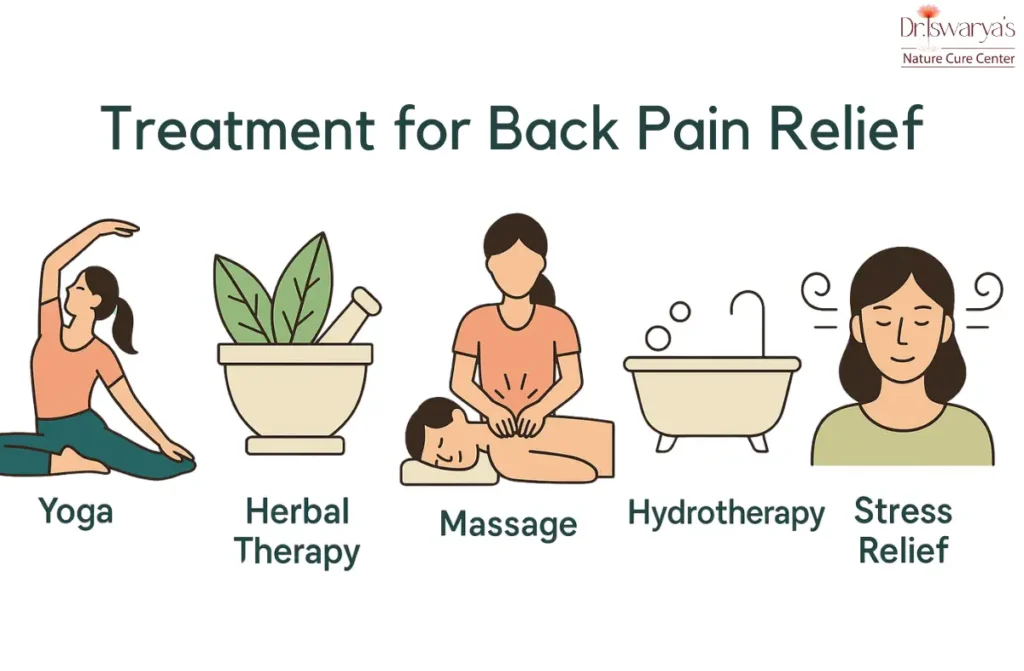
How Naturopathy Diagnoses the Root Cause of Back Pain
Before recommending any treatment, a proper naturopathic assessment starts with understanding what’s actually driving your pain, not treating it generically. A typical assessment includes:
- Posture and movement analysis: Observing how you sit, stand, and move to spot habits that may be contributing to strain.
- Lifestyle and stress review: Looking at sleep quality, daily activity levels, and stress patterns, since these often compound physical symptoms.
- Dietary assessment: Identifying inflammatory foods or nutrient gaps that could be slowing recovery.
- Physical examination: Checking spinal alignment, muscle tension, and flexibility to pinpoint the source of discomfort.
- Referral when needed: If red-flag symptoms are present (see above), a qualified practitioner will refer you for imaging or specialist care rather than treating the symptom alone.
This diagnostic step is what separates a tailored treatment plan from generic advice — and it’s why working with a qualified practitioner tends to produce better outcomes than self-treating.
7 Ways to Relieve Back Pain Naturally
Back pain affects people of all ages and often stems from posture, stress, or daily habits rather than a single injury. Instead of relying solely on medication, many people turn to holistic approaches for longer-term relief. These seven methods form the practical foundation of naturopathy for back pain relief, and they work best when combined rather than used in isolation.
1. Practice Gentle Stretching and Yoga
Incorporating gentle stretching and yoga is one of the most effective ways to ease back discomfort. These movements improve flexibility, release muscle tension, and support better spinal alignment.
- Stretches like the cat-cow pose or child’s pose gently elongate tight muscles that often contribute to lower back discomfort.
- Yoga improves balance and posture, both of which reduce pressure on the lumbar spine — even a short, consistent routine can make a noticeable difference.
- Breath-synchronized movement calms the nervous system, which can lower the perception of pain over time.
Our Yoga & Meditation program is built around exactly this kind of guided, therapeutic practice.
2. Maintain Proper Posture Throughout the Day
Poor posture places ongoing stress on spinal joints and muscles, making it harder for the body to heal on its own. Small, consistent adjustments go a long way.
- Sit with your spine straight, shoulders relaxed, and feet flat on the ground. A lumbar support pillow can help preserve the natural curve of your lower back.
- When standing, distribute your weight evenly and avoid slouching or leaning to one side for extended periods.
- Ergonomic furniture and posture reminders at work build the habit over time — small changes compound.
Posture correction is one of the simplest yet most underused tools for treating low back pain naturally, since it removes a source of daily strain instead of just responding to it after the fact.
3. Apply Heat or Cold Therapy
Thermal therapy is a simple, widely used tool in naturopathy for reducing inflammation and easing muscle tightness.
- Cold packs reduce inflammation and numb sharp pain when used soon after a strain or injury. Apply a cold compress wrapped in cloth for 15–20 minutes at a time.
- Heat therapy relaxes tense muscles and improves circulation. Use a hot water bag or warm towel on the lower back for a similar duration.
- Alternating hot and cold applications is a simple, non-invasive way to manage chronic symptoms.
4. Use Herbal Remedies and Essential Oils
Certain herbs and oils offer genuine anti-inflammatory and pain-relieving properties, and they’ve long been a cornerstone of naturopathic treatment.
- As a natural remedy for back pain relief, turmeric and ginger contain compounds that help reduce inflammation in muscles and joints, and can be taken as teas or supplements.
- Essential oils like peppermint, eucalyptus, and lavender, when diluted and massaged into the lower back, offer both physical relief and a calming effect.
- Herbal compresses or poultices — castor oil or garlic-based, for example — can be applied topically for localized relief.
Note: Always dilute essential oils properly and patch-test before applying to skin. Consult your naturopathic practitioner about herb-drug interactions if you’re on other medication.
5. Add Anti-Inflammatory Foods to Your Diet
Diet plays a real role in managing back pain, since certain foods actively fight inflammation while others tend to worsen it.
- Leafy greens, berries, turmeric, and omega-3-rich foods like flaxseeds and walnuts support the body’s natural anti-inflammatory response.
- Processed and sugary foods, on the other hand, can trigger or worsen inflammation — cutting back on these often helps as much as adding the “good” foods.
- Dietary change works alongside other therapies, not instead of them — think of it as strengthening the body’s own repair process.
6. Maintain a Healthy Weight
Excess weight, particularly around the abdomen, adds direct strain to the lower back. Reducing that load can meaningfully ease discomfort and prevent recurrence.
- Healthy weight management improves posture and reduces pressure on spinal discs and joints, letting the back muscles work more efficiently.
- A naturopathic approach favors gradual, sustainable weight loss through diet, movement, and stress management rather than crash diets.
- This is often one of the most overlooked but highest-impact factors in long-term back pain relief.
7. Consider Chiropractic or Acupuncture Treatments
Manual therapies like chiropractic adjustments and acupuncture are widely used to restore balance and stimulate the body’s own healing response.
- Chiropractic care focuses on spinal alignment, relieving pressure on nerves and improving mobility — especially useful for misalignment-related pain.
- Acupuncture stimulates specific points along the body to promote circulation and release tension; many people notice relief within a few sessions.
- These are typically best used alongside — not instead of — the lifestyle-based approaches above, and should be performed by a licensed physiotherapy or manipulative therapy specialist.
Benefits of Naturopathy for Back Pain Relief
Naturopathy takes a whole-body approach to spinal discomfort — combining lifestyle correction, physical therapies, and natural remedies rather than treating pain as an isolated symptom.
- Root-cause focus: Rather than masking pain, naturopathy looks at posture, stress, and inflammation together, using diet, hydrotherapy, and exercise to build a sustainable, long-term solution.
- Hydrotherapy for pain and circulation: Alternating hot and cold water applications reduce inflammation and muscle tension while improving blood flow to the affected area.
- Detoxification support: Naturopathic detox diets and supervised fasting are used to reduce the toxin load that can contribute to ongoing inflammation.
- Yoga and stretching therapy: Regular practice strengthens back muscles, improves flexibility, and corrects posture over time — addressing both the physical and habitual sides of back pain.
- Herbal and nutritional support: Herbs like turmeric, ginger, and boswellia supply anti-inflammatory compounds that support tissue recovery without the dependency risks of long-term painkiller use.
- Massage and acupressure: Targeted massage relieves muscle knots and stiffness, supports lymphatic drainage, and helps release both physical and emotional tension held in the back.
Complications of Untreated Lower Back Pain
Left unmanaged, lower back pain can affect far more than just the spine. Catching it early — and pairing consistent care with proven natural remedies for back pain — helps avoid these downstream effects.
- Chronic pain development: Acute pain that isn’t properly addressed can become chronic, persisting for months or years and affecting work, relationships, and emotional wellbeing.
- Reduced mobility and stiffness: People often unconsciously limit movement to avoid pain, which leads to joint stiffness, weaker muscles, and a higher risk of future injury.
- Postural imbalances: Compensating for pain frequently leads to poor posture, which can worsen the original problem and, over time, contribute to issues like scoliosis or nerve compression.
- Sleep disturbances and fatigue: Persistent pain makes it hard to find a comfortable sleeping position, and poor sleep in turn increases pain sensitivity and slows healing.
- Mental health impact: Long-term back pain is strongly linked to increased stress, anxiety, and low mood — creating a cycle where emotional strain intensifies the physical pain.
How Long Does It Take to See Results?
This is one of the most common questions patients ask, and the honest answer is: it depends on the cause and how long you’ve had the pain. Most people notice initial improvement — less stiffness, easier movement — within 2 to 4 weeks of consistent practice. Acute, strain-related pain typically responds faster than pain linked to disc issues or years of postural habit. Because naturopathy for back pain relief works cumulatively rather than instantly, sticking with a routine tends to produce far better results than switching methods every few days. A practitioner can help set realistic expectations based on your specific diagnosis.
Conclusion
Naturopathy for back pain relief offers a gentle, side-effect-free path to managing discomfort — one that treats the body and mind together rather than chasing symptoms in isolation. Stretching, posture correction, herbal remedies, and mindful lifestyle changes all play a part, and consistency matters more than any single technique. If your pain is persistent, worsening, or accompanied by numbness or weakness, it’s important to get a professional evaluation alongside any natural approach.
Ready to address your back pain at the root cause? Book a consultation with our naturopathy team to build a plan suited to your specific symptoms and lifestyle.