
In today’s fast-paced lifestyle, maintaining emotional well being is as important as physical health. Emotional balance helps individuals cope with stress, build healthy relationships, and make better life decisions. The mental and emotional well being definition refers to a person’s ability to understand, manage, and express emotions in a healthy way while maintaining psychological stability. When emotional well being is nurtured naturally, it promotes long-term mental clarity, inner peace, and overall wellness.
What is Emotional Well Being?
Emotional well being refers to the ability to recognize emotions, regulate feelings, and respond positively to life’s challenges. It involves emotional awareness, resilience, self-confidence, and the ability to handle stress effectively. It allows individuals to feel balanced, motivated, and emotionally stable in daily life.
Why is Emotional Well Being Important?
Maintaining emotional well being is essential for:
Importance of Maintaining Emotional Well-Being
Maintaining emotional well-being is essential for leading a balanced, fulfilling, and healthy life. It influences how we think, feel, and act in everyday situations and helps us cope with life’s challenges more effectively.
- Managing stress and anxiety effectively: Strong emotional well-being allows individuals to recognize stress triggers and respond calmly rather than react impulsively. It helps reduce feelings of anxiety, promotes emotional stability, and enables healthier coping mechanisms during difficult times.
- Improving decision-making and focus: When emotional health is stable, the mind becomes clearer and more focused. This enhances the ability to think rationally, make sound decisions, and stay attentive at work or in personal life without being overwhelmed by emotions.
- Building strong personal and professional relationships: Emotional well-being supports better communication, empathy, and understanding. It helps individuals manage emotions constructively, resolve conflicts peacefully, and build trust in both personal and professional relationships.
- Supporting mental and emotional well-being: Maintaining emotional balance strengthens mental resilience and reduces the risk of emotional exhaustion. It encourages self-awareness, self-acceptance, and a positive outlook, contributing to long-term mental health.
- Enhancing overall quality of life: Good emotional well-being improves daily experiences, increases life satisfaction, and promotes inner peace. It supports healthier lifestyle choices, better sleep, and a greater sense of purpose and happiness.
Without Emotional Well Being, emotional imbalance can gradually affect both mental and physical health.
Relationship Between Emotional Well Being and Mental Health
Emotional well being and mental health are deeply interconnected. While mental health focuses on psychological conditions, It emphasizes emotional balance and coping skills. Strong mental and emotional well being meaning helps prevent conditions like anxiety, depression, and burnout, promoting long-term mental stability.
Signs of Good Mental and Emotional Well Being
Good mental and emotional well-being reflects a healthy balance between thoughts, feelings, and daily actions. When emotional health is strong, individuals are better equipped to handle life’s demands while maintaining inner stability and positivity. The following are key indicators of positive emotional well-being:
- Emotional stability and self-awareness: Individuals with good emotional well-being can recognize and understand their emotions without feeling overwhelmed. They respond thoughtfully to situations, maintain emotional balance, and are aware of how their feelings influence their behavior and decisions.
- Ability to cope with stress and challenges: A strong emotional foundation helps people manage stress in healthy ways. Instead of reacting impulsively, they adapt to challenges, recover from setbacks, and maintain calm during pressure-filled situations.
- Healthy sleep patterns: Quality sleep is closely linked to mental and emotional health. Consistent and restful sleep indicates a balanced emotional state, supporting better mood regulation, mental clarity, and physical energy throughout the day.
- Positive mindset and confidence: Good emotional well-being encourages optimism and self-belief. Individuals tend to focus on solutions rather than problems, approach situations with confidence, and maintain a hopeful outlook even during difficult times.
- Strong mental and emotional balance in daily activities: People with healthy emotional well-being remain engaged and productive in their everyday routines. They can concentrate, make decisions effectively, and experience a sense of satisfaction and purpose in both personal and professional life.
These signs reflect emotional resilience and inner balance.
Factors That Affect Emotional Well Being
Several internal and external factors influence emotional well being, such as:
- Stressful lifestyle and work pressure
- Poor sleep and unhealthy habits
- Emotional trauma or unresolved experiences
- Lack of physical activity
- Social isolation affecting mental and emotional well being
Understanding these factors helps in restoring emotional balance naturally.
Practical Ways to Improve Emotional and Mental Well Being
You can improve emotional well being by:
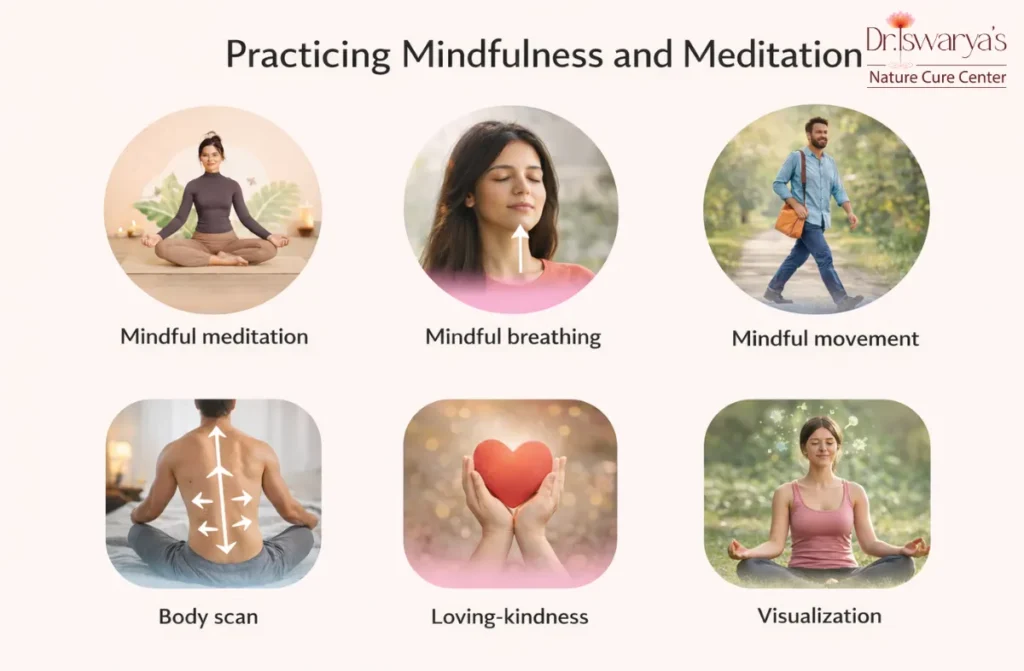
- Practicing mindfulness and meditation
- Maintaining a balanced diet and regular exercise.
- Getting adequate sleep
- Managing stress through relaxation techniques
- Seeking natural therapies to support mental and emotional well being
Together, these practices encourage emotional stability, resilience, and a healthier mind–body connection.
Role of Naturopathy Professionals in Supporting Emotional Well Being
Naturopathy adopts a whole-person approach to emotional healing by looking beyond symptoms and understanding the underlying factors affecting mental and emotional health. Through personalized natural therapies, lifestyle modifications, therapeutic yoga, mindfulness practices, and nutrition-based guidance, naturopathy helps restore internal balance. This gentle, drug-free approach nurtures emotional stability, strengthens mental clarity, and promotes long-term emotional well-being in a safe and sustainable way.
Conclusion
Achieving lasting emotional well being requires a natural, balanced, and holistic approach. Emotional health is not just about managing stress but about nurturing inner harmony and resilience. At Dr. Iswarya’s Nature Cure, is supported through personalized naturopathy treatments, lifestyle guidance, and mind-body therapies. By focusing on natural healing and preventive care, Dr. Iswarya’s Nature Cure helps individuals restore mental and emotional well being and lead a healthier, more balanced life.
Read More: Experience Traditional Wellness & Inner Harmony.