
Diabetes treatment in Chennai is led by your doctor, and the everyday choices you make, from what you eat to how much you move and sleep, decide how well that treatment works. Diabetes is a long-term condition in which blood sugar stays higher than normal because the body makes too little insulin or cannot use it properly. It is very common in India, and with regular medical care and steady lifestyle habits, many people live well and lower their risk of complications.
This guide explains the types and symptoms of diabetes, how it is diagnosed, when you need urgent medical help, and how diet, exercise, yoga, sleep and stress care can support your doctor’s plan. It also looks at common myths, including claims about cures and reversal. Please note that this page does not offer a cure, and nothing here replaces the advice of your physician or diabetologist.
At Dr. Iswarya’s Nature Cure Centre in Mandaveli, Chennai, lifestyle support is provided alongside, and in coordination with, your medical treatment.
What is Diabetes?
When you eat, your body breaks food down into glucose, and the hormone insulin helps move that glucose from the blood into your cells for energy. In diabetes, either the body does not make enough insulin or the cells do not respond to it well, so glucose builds up in the blood. Over the years, high blood sugar can damage the eyes, kidneys, nerves, heart and blood vessels.
Types of diabetes
- Type 1 diabetes: The body makes little or no insulin. It usually appears in children and young people, and it always needs insulin treatment under medical supervision.
- Type 2 diabetes: The most common type. The body resists insulin and, over time, may not make enough. It is strongly linked to weight, inactivity and family history.
- Gestational diabetes: High blood sugar first found during pregnancy. It needs careful medical care and also raises the later risk of type 2 diabetes.
- Prediabetes: Blood sugar is higher than normal but not yet in the diabetes range. This is an important window in which lifestyle changes can make a real difference.
Why diabetes is common among Indians
Indians tend to develop diabetes at a younger age and at a lower body weight than people in many other countries. Genetics, a tendency to store fat around the abdomen, refined carbohydrate-heavy diets, long sitting hours and stress all play a part. This is one reason early testing from around the age of 30 to 35, or earlier with risk factors, is advised.
Common Symptoms of Diabetes
Many people, especially in the early stage of type 2 diabetes, have no symptoms. When symptoms appear, they can include:
- Increased thirst and frequent urination, including at night
- Increased hunger and constant tiredness
- Blurred vision
- Slow-healing cuts or wounds and frequent infections
- Tingling, burning or numbness in the hands or feet
- Unexplained weight loss
- Dark, velvety skin patches on the neck or underarms
Because diabetes can be silent, the only reliable way to know is to be tested.
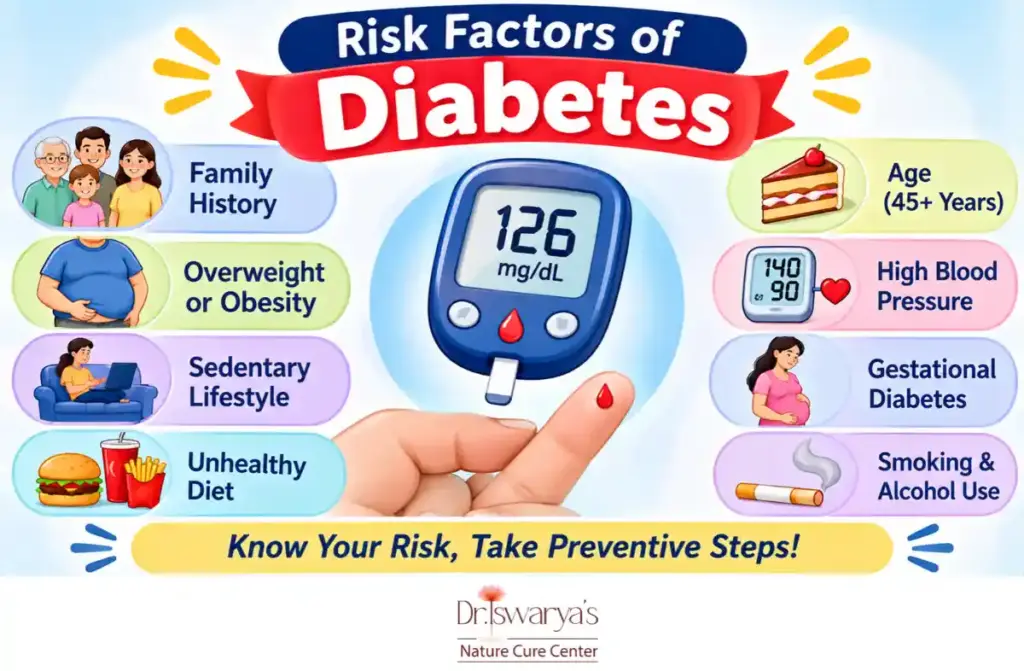
Risk Factors
Your risk is higher if you:
- Have a parent or sibling with diabetes
- Are overweight, especially with extra fat around the waist
- Are physically inactive
- Have PCOS, high blood pressure or high cholesterol
- Had diabetes during a previous pregnancy, or delivered a large baby
- Sleep poorly or live with long-term stress
- Are over 35, or younger with other risk factors
How Diabetes Is Diagnosed
Your doctor diagnoses diabetes with blood tests. Commonly used thresholds are:
| Test | Prediabetes range | Diabetes range |
| Fasting blood glucose | 100 to 125 mg/dL | 126 mg/dL or higher |
| 2-hour glucose after a 75 g glucose drink | 140 to 199 mg/dL | 200 mg/dL or higher |
| HbA1c (average over about 3 months) | 5.7 to 6.4 percent | 6.5 percent or higher |
These ranges are general. Your doctor interprets them with your symptoms and repeats a test if needed. Once diabetes is confirmed, further tests are usually advised to check for complications:
- Kidney tests: Serum creatinine and urine albumin
- Lipid profile: Cholesterol and triglycerides
- Eye examination: A dilated retinal check
- Foot examination: Sensation, circulation and skin
- Blood pressure and, where relevant, an ECG
When to See a Doctor Right Away
Some situations are emergencies. Go to the nearest hospital or call emergency services if you have:
- Severe thirst and frequent urination with vomiting, abdominal pain, fast or deep breathing, fruity-smelling breath or drowsiness, which can signal diabetic ketoacidosis
- Signs of low blood sugar, such as shaking, sweating, confusion, severe weakness or fainting, especially if you take insulin or certain tablets. Follow the plan your doctor has given you for treating a low.
- Chest pain or pressure, sudden breathlessness or weakness on one side of the body
- A foot wound that is red, swollen, painful or not healing
- Sudden loss or change in vision
If you are pregnant and have diabetes, regular obstetric and diabetes care is essential.
Medical Treatment of Diabetes
Anyone seeking diabetes treatment in Chennai should begin with a physician or diabetologist who can confirm the type of diabetes, check for complications and set individual targets. Medical treatment may include:
- Oral medicines that lower blood sugar in different ways
- Insulin or other injectable medicines, which are essential in type 1 diabetes and are also used in many people with type 2 diabetes
- Regular monitoring: Home glucose checks where advised, and HbA1c every three to six months
- Treatment of related conditions, such as high blood pressure and high cholesterol
- Regular screening for eye, kidney, nerve and foot problems
Targets vary from person to person. Many adults aim for an HbA1c below about 7 percent, but your doctor will set a target that suits your age, health and risk of low blood sugar.
When people search for sugar control treatment Chennai doctors can offer, they usually want steadier blood sugar and fewer complications. That is achieved through the right medicines, regular monitoring and consistent daily habits working together. Please never stop, reduce or change any diabetes medicine, including insulin, on your own, even if your readings look normal.
Lifestyle Support Alongside Medical Care
Lifestyle support is part of any plan for diabetes treatment in Chennai, but it works alongside your doctor’s treatment and does not replace it. Many people ask about natural diabetes treatment Chennai centres might offer. The honest answer is that diet, activity, yoga, sleep and stress care are natural, well-supported ways to improve blood sugar control and overall health, and they make medical treatment more effective, but they are not a substitute for medicines when medicines are needed.
An important safety note: If you take insulin or medicines that can cause low blood sugar, tell your doctor before you change your diet, increase exercise or fast, so that your doses can be adjusted safely.
1. Diet
- Choose low-glycemic carbohydrates: Millets such as ragi, kambu and samai, whole wheat, oats and brown rice, in measured portions.
- Fill half the plate with vegetables: Keerai, beans, gourds, cabbage, brinjal and other non-starchy vegetables.
- Add protein at every meal: Dals, sprouts, chickpeas, curd, paneer, eggs and fish if you eat them.
- Pick whole fruit in small portions: Guava, apple, pear and papaya, instead of juices.
- Use healthy fats: Nuts, seeds and moderate cold-pressed oils.
- Limit: Sweets, sugary drinks, fruit juices, white rice in large portions, maida, bakery items, deep-fried snacks and packaged food.
- Eat at regular times: Avoid long gaps and very late dinners.
2. Exercise and healthy weight
Aim for about 150 minutes of moderate activity a week, such as brisk walking, cycling or swimming, plus strength training two or three days a week. A short walk after meals can help lower post-meal sugar. If you have foot problems, eye disease, kidney or heart disease, ask your doctor which activities are safe for you.
3. Yoga and pranayama
Studies suggest yoga can modestly help with stress, sleep, weight and blood sugar as an addition to medical care. Gentle practices such as Surya namaskar at an easy pace, Tadasana, Ardha matsyendrasana, Bhujangasana, Nadi shodhana and Bhramari are commonly used. Learn them under a trained therapist, and avoid strenuous inversions or breath-holding if you have eye disease, high blood pressure or heart disease. The centre offers yoga and meditation in person and online.
4. Sleep and stress management
Poor sleep and long-term stress raise blood sugar and cravings. Aim for 7 to 8 hours of sleep at a regular time, keep screens away before bed, and set aside time for breathing practice or meditation.
5. Physiotherapy and pain management
Joint pain and stiffness are common, and nerve-related discomfort can occur in diabetes. Physiotherapy and pain management with gentle, supervised exercise can help you stay active safely. Numbness or burning in the feet needs a medical evaluation first.
6. Counseling and emotional support
Living with a long-term condition can be tiring, and many people experience what is called diabetes distress. Counseling offers a safe space to talk and to build coping skills.
Diabetes Treatment in Chennai: How Dr. Iswarya’s Nature Cure Centre Supports You
People often look for a diabetes management centre Chennai has to offer, and what most of them need is a place that supports daily habits and works hand in hand with their doctor. Dr. Iswarya’s Nature Cure Centre is a doctor-led naturopathy and wellness clinic in Mandaveli, Chennai. It does not replace your physician or diabetologist, and it does not prescribe or change diabetes medicines. Instead, lifestyle support is planned around your diagnosis, reports and routine, and typically includes:
- A detailed assessment: Your medical history, current medicines, reports, diet, activity, sleep and stress.
- A personalised diet and routine: Practical guidance using food you already eat, adjusted to your treatment.
- Yoga and breathing therapy: Taught by a therapeutic yoga specialist, with safety adjustments for your condition.
- Physiotherapy and movement support: For stiffness, joint pain and safe activity.
- Counseling: For stress, motivation and diabetes distress.
- Coordination with your doctor: If your readings are not in range, or you have warning signs, you are guided back to your treating doctor, and your plan is arranged to fit with their advice.
- Follow-ups and online consultation: Through teleconsultation, you can begin from home and review progress regularly.
The centre is led by Dr. Iswarya Subramaniam (BNYS, MD; Registration No. 0308/A) and supported by naturopaths, a therapeutic yoga specialist and a chiropractor. Please bring your latest HbA1c and other reports, and a list of all your medicines, to your first visit.
A Sample Diabetes-Friendly Indian Diet for One Day
This sample works as a starting point for a diabetic diet plan Chennai households can adapt. It is general and is not a prescription. Portions, timing and carbohydrate amounts must be adjusted to your weight, blood sugar, medicines and preferences, ideally with your doctor or a qualified dietitian.
| Meal | Example |
| Early morning | Warm water, or methi (fenugreek) water if your doctor agrees; a few soaked almonds |
| Breakfast | Ragi dosa or vegetable oats upma with sambar, or moong dal cheela with mint chutney |
| Mid-morning | A small guava or apple, or a glass of buttermilk |
| Lunch | Half a plate of vegetables, a small portion of millet or brown rice (about 1 cup cooked), dal or sprouts, and a small bowl of curd |
| Evening snack | Roasted chana, sprouts salad or a small handful of nuts, with unsweetened tea |
| Dinner (early and light) | Vegetable soup with 1 to 2 whole wheat rotis and a vegetable or paneer curry |
| Bedtime, if hungry | A small glass of unsweetened warm milk, if your doctor agrees |
Watch for low blood sugar if you take insulin or certain tablets and delay or skip a meal. Do not start fasting or a very low-calorie diet without medical advice.
Preventing Complications
Long-term high blood sugar can damage small and large blood vessels. Regular checks catch problems early, when they are easiest to manage.
| Check | Usual frequency (your doctor will advise) |
| HbA1c | Every 3 to 6 months |
| Blood pressure | At every visit |
| Eye examination (dilated retinal check) | At least once a year |
| Kidney tests (creatinine and urine albumin) | At least once a year |
| Lipid profile | At least once a year |
| Foot examination | At least once a year, and at every visit if you have nerve damage |
Daily foot care
- Look at your feet every day, including between the toes, for cuts, blisters, redness or swelling.
- Wash gently and dry well, and moisturise the skin but not between the toes.
- Never walk barefoot, even at home. Wear well-fitting footwear and soft, clean socks.
- Do not cut corns or calluses yourself, and see a doctor promptly for any wound that does not heal.
Diabetes in Special Situations
- Women with PCOS: PCOS raises the risk of insulin resistance and type 2 diabetes, so regular glucose checks are advised. See our guide on natural treatment for PCOS in Chennai.
- Gestational diabetes: This needs close obstetric and diabetes care, and a glucose test is advised after delivery.
- Older adults: Targets are often more relaxed, and the focus is on avoiding low blood sugar, falls and complications.
- During fasting or festivals: Speak to your doctor in advance about medicine timing and the risk of low or high blood sugar.
- Young people: Type 1 diabetes always needs insulin. Never replace insulin with diet, yoga or herbal remedies.
Myths vs Facts About Diabetes
| Myth | Fact |
| Herbal juices or bitter gourd can cure diabetes. | Some foods may help a little as part of a healthy diet, but none cures diabetes or replaces medicines. |
| Once my sugar is normal, I can stop my tablets or insulin. | Normal readings often mean the treatment is working. Stopping without medical advice can cause a dangerous rise in blood sugar. |
| Eating sugar is the only cause of diabetes. | Genetics, weight, inactivity, stress, poor sleep and overall diet all contribute. |
| Sugar-free products are always safe. | Many contain refined flour or fat and still raise blood sugar. Portions matter. |
| People with diabetes must avoid all rice and fruit. | Carbohydrates need to be portioned and chosen wisely, not eliminated. |
| Only older people get diabetes. | It is increasingly seen in young adults and children. |
What about a diabetes reversal program?
Many people search for a diabetes reversal program Chennai clinics advertise, so it is worth being clear. Diabetes is a long-term condition, and nobody can promise to cure or reverse it. Research shows that in some people with recent-onset type 2 diabetes, significant weight loss achieved under medical supervision can lead to remission, meaning blood sugar stays in the normal range for a time without diabetes medicines. Remission is not a cure. It needs ongoing monitoring, it does not happen for everyone, and it should only be attempted with your doctor, never by stopping medicines on your own. Be cautious of any program that guarantees reversal, a cure, or freedom from medicines.
What Does Diabetes Treatment in Chennai Cost?
The cost depends on the doctors you consult, the tests and screening you need, the medicines or insulin you are prescribed, and the number of lifestyle-support sessions and follow-ups. Because every person’s needs and treatment differ, the centre explains charges clearly at the time of consultation, before any plan begins. Please contact the centre for current fees. Health insurance may cover some tests and treatment, so check your policy.
Conclusion
Diabetes is a lifelong condition, but it is one you can live with confidently. A sound approach to diabetes treatment in Chennai starts with an accurate diagnosis, regular medical care and screening, and daily habits that support your treatment: balanced meals, regular movement, good sleep, calm breathing and emotional care. There are no shortcuts and no guarantees, so be wary of promises of quick cures or of stopping your medicines. Steady, supervised effort is what protects your health over the years.
If you would like lifestyle support planned around your own reports and routine, and coordinated with your doctor, Dr. Iswarya’s Nature Cure Centre offers doctor-led naturopathy, yoga, physiotherapy and counseling in Mandaveli, Chennai, and online. Results differ from person to person.
Book a Consultation
Dr. Iswarya’s Nature Cure Centre
Level 1 & 2, 44/1, Venkatakrishna Road, Jeth Nagar, Mandaveli, Chennai, Tamil Nadu 600028
Phone: 044-46187679 | Email: cmo@driswaryasnaturecure.com
Book a consultation or message us on WhatsApp to begin your personalised lifestyle plan.